









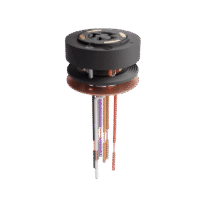
THE degree of protection, popularly known as IP (from English) Ingress ProtectionThe IEC 60529 standard is a standardized system that classifies the level of protection offered by electronic equipment enclosures against the ingress of solid objects, dust, and liquids. This classification is defined by the international standard IEC 60529 and serves to ensure the safety and proper performance of devices in different environments.
How does the Protection Rating work?
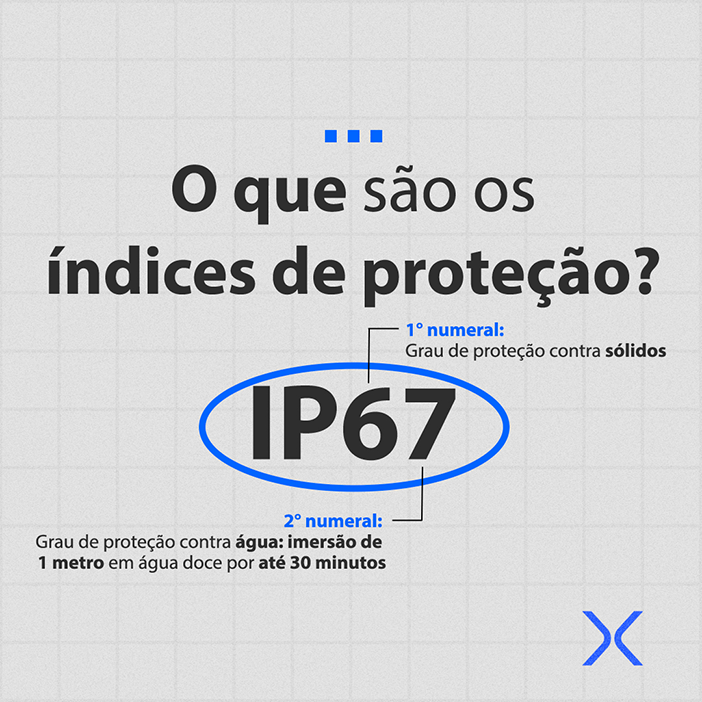
The degree of protection is represented by two digits after the letters “IP”. The first digit indicates protection against solids, such as dust and particles, while the second refers to protection against liquids, such as water. Each number ranges from 0 to 6 (for solids) and from 0 to 9 (for liquids), where higher values mean greater resistance.
For example, a device with an IP67 rating has maximum protection against dust (6) and can be temporarily immersed in water up to 1 meter deep (7). A device with an IP54 rating offers partial protection against dust and water splashes from multiple directions.
Why is the Degree of Protection important?
Understanding the required level of protection is essential for choosing the right equipment for each application. In industrial environments, for example, machines are frequently exposed to adverse conditions, such as metallic dust or water jets during cleaning. An inadequate enclosure can compromise the equipment's lifespan and even cause serious operational failures.
Furthermore, the correct use of the IP rating contributes to the safety of operators. Poorly protected equipment can present electrical or mechanical hazards, especially in sectors such as construction, automotive, and manufacturing.
What are the levels of protection against solids and liquids?
| Protection against solids: | Protection against liquids: |
| IP0X: No protection. | IPX0: No protection. |
| IP1X: Protection against solid objects larger than 50 mm (such as hands). | IPX1: Protection against dripping water. |
| IP2X: Protection against solid objects larger than 12.5 mm (such as fingers). | IPX2: Protection against dripping water when tilted up to 15°. |
| IP3X: Protection against solid objects larger than 2.5 mm (such as tools). | IPX3: Protection against light rain or splashes. |
| IP4X: Protection against solid objects larger than 1 mm (such as thin wires). | IPX4: Protection against splashes from all directions. |
| IP5X: Protection against dust in sufficient quantity to impair operation. | IPX5: Protection against low-pressure water jets. |
| IP6X: Total protection against dust. | IPX6: Protection against high-pressure water jets. |
| IPX7: Protection against temporary immersion (up to 1 meter for 30 minutes). | |
| IPX8: Protection against prolonged immersion under specific conditions. | |
| IPX9K: Protection against high-pressure hot water jets. |
How to correctly interpret the Degree of Protection?
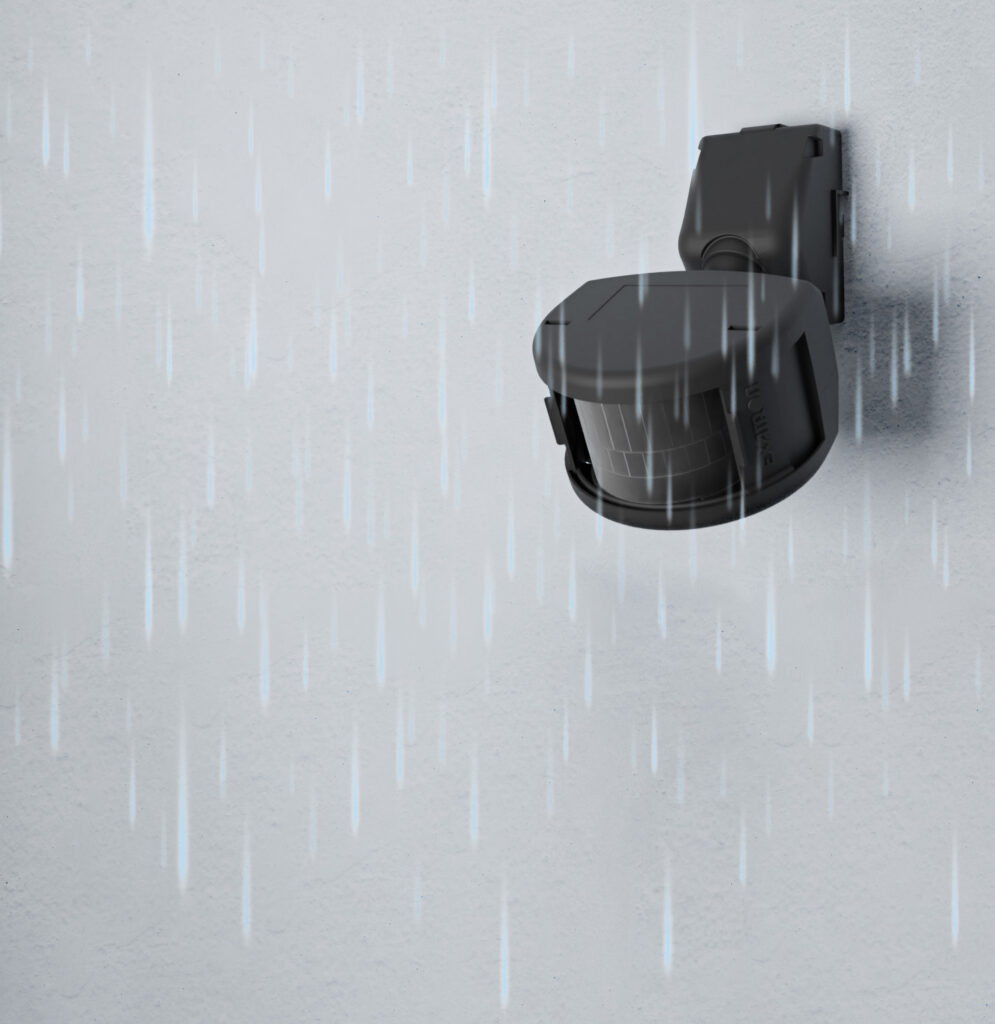
When selecting equipment based on its protection rating, it is essential to consider the specific environmental conditions where it will be used. For example, if the device will be installed outdoors in a rainy region, it is advisable to choose an enclosure with at least IPX4 to ensure splash resistance. In industrial areas with a lot of dust, an IP5X rating or higher is indispensable.
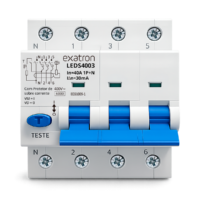
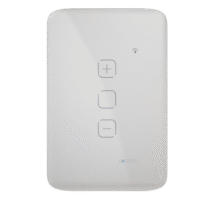
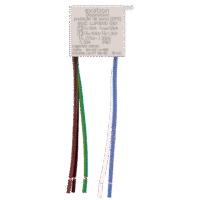
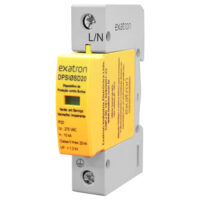
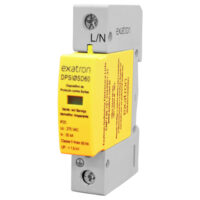
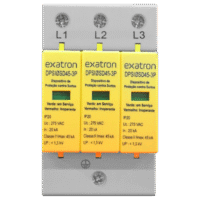
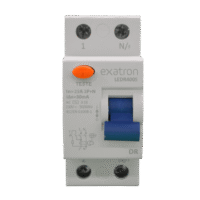
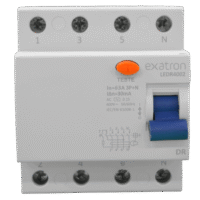
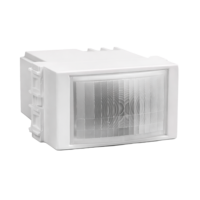
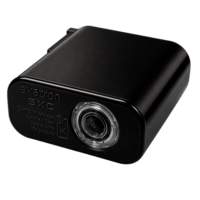
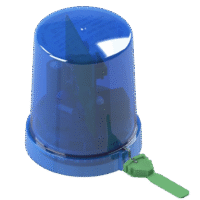
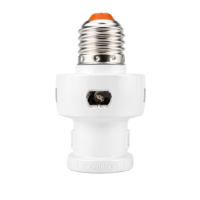
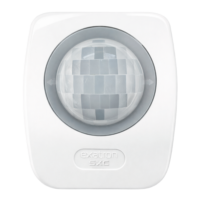
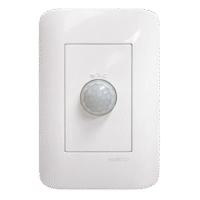
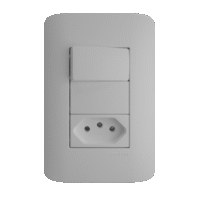
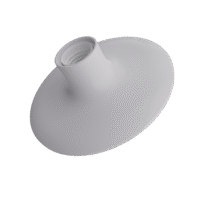
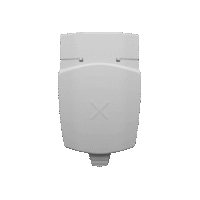
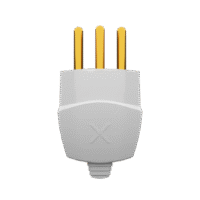
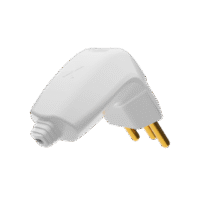
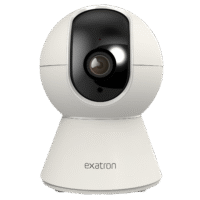
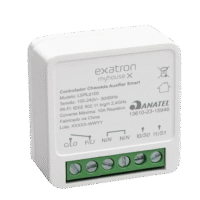
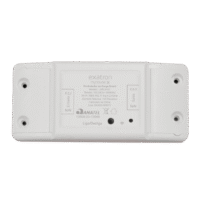
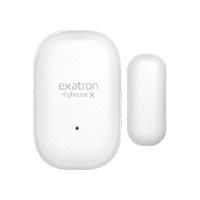
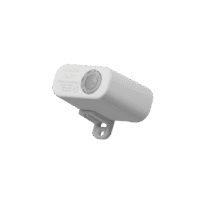
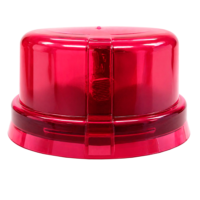
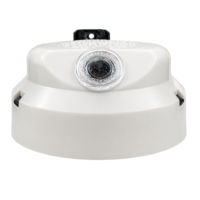
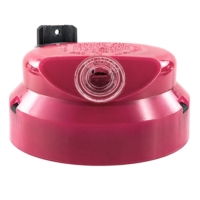
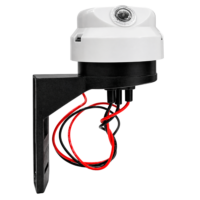
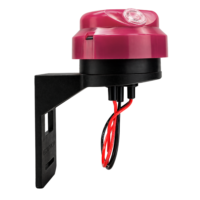
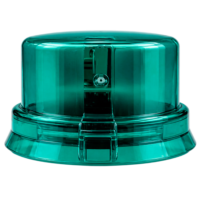
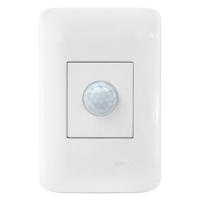
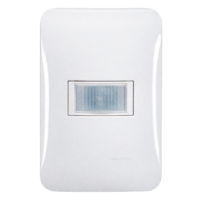
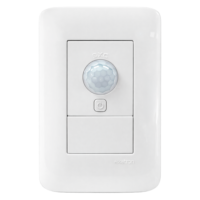
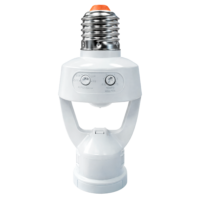
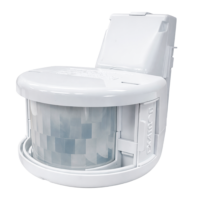
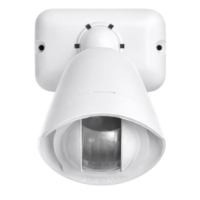
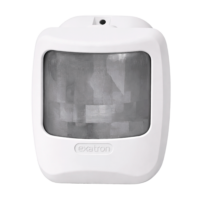
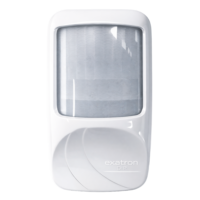
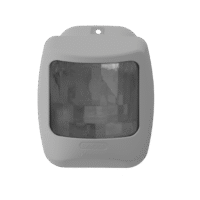
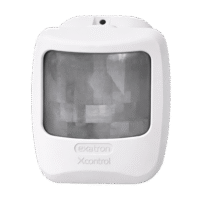
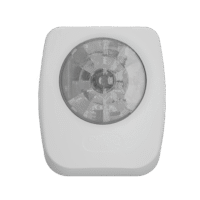
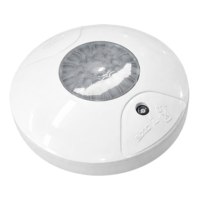
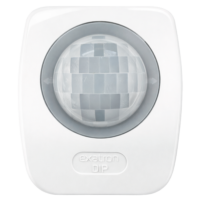
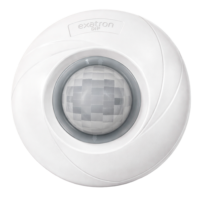
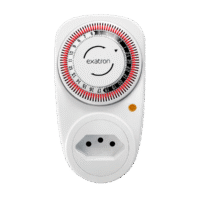
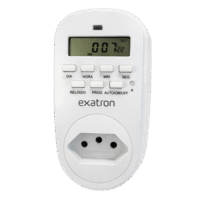
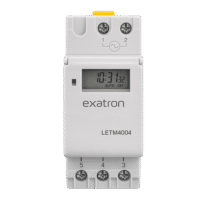
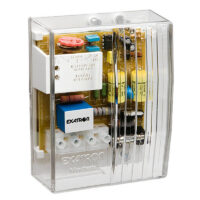
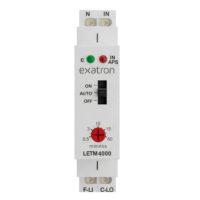
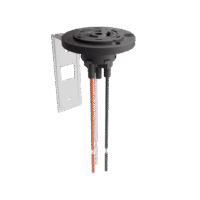
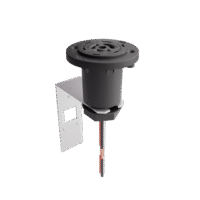
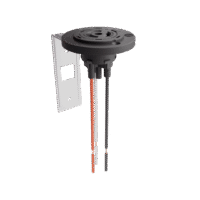
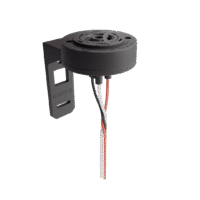
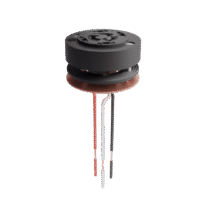
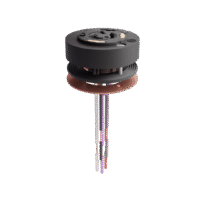
In this context, the Exatron The company stands out for offering a wide range of products designed to meet the most diverse protection needs. The company has solutions covering a wide variety of IP ratings, from... relays From devices mounted on lighting poles to those for domestic use and employed in less adverse conditions, this diversity allows customers to find exactly what they need, ensuring safety, performance, and durability in their applications.
What is the relationship between Protection Rating and energy efficiency?
Although the degree of protection is not directly linked to energy efficiency, both are critical aspects in equipment selection. Well-designed enclosures can minimize heat loss and damage caused by external agents, indirectly contributing to better energy performance. Furthermore, robust equipment tends to have greater durability, reducing the need for frequent replacements and, consequently, the environmental impact.
The degree of protection is an essential indicator for evaluating the suitability of equipment for different environments. It defines the level of resistance against dust and liquids, ensuring the safety, reliability, and longevity of the devices. By understanding IP codes and their applications, it is possible to make more assertive decisions in product selection, optimizing both performance and operational safety. Therefore, always consider the degree of protection when acquiring new equipment for your company or project!