Products
Categories
- Adapters
-
Electronic Musical Doorbells
-
Group Command Key
Products See all →
-
 Group Control Switch - 1 x 30 with Circuit Breaker
-
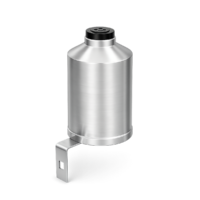 Group Control Switch - 1 x 30 without Circuit Breaker
-
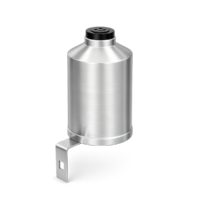 Group Control Switch - 1 x 30 without Circuit Breaker
-
 Group Control Switch - 1 x 50 with Circuit Breaker
-
 Group Control Switch - 1 x 50 without Circuit Breaker
-
Group Control Switch - 1 x 60 with Circuit Breaker
-
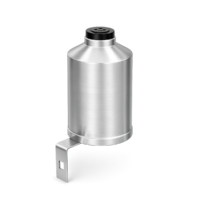 Group Control Switch - 1 x 60 without Circuit Breaker
-
 Group Control Switch - 2 x 30 with Circuit Breaker
-
-
Modular Contactor
Products See all →
-
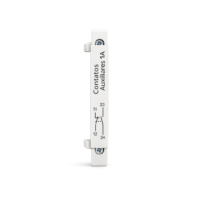 Contactor Auxiliary Control Circuits 1NO + 1NC
-
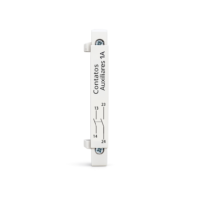 Contactor Auxiliary Control Circuits 2NO
-
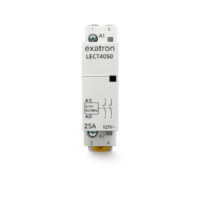 Modular Control Circuit Contactor, 2 Poles, 2NO, 25A, 127V
-
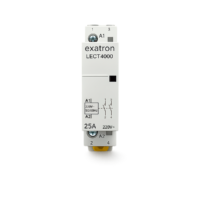 Modular Control Circuit Contactor, 2 Poles, 2NO, 25A, 220V
-
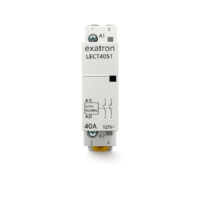 Modular Control Circuit Contactor, 2 Poles, 2NO, 40A, 127V
-
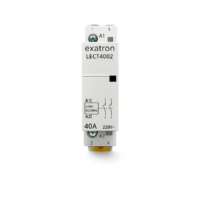 Modular Control Circuit Contactor, 2 Poles, 2NO, 40A, 220V
-
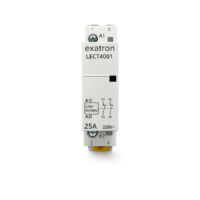 Contactor for Modular Control Circuits, 2 Poles, 2 NC, 25A, 220V
-
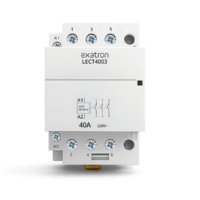 Contactor for Modular Control Circuits, 3 Poles, 3NO, 40A, 220V
-
- DDR
- Dimmer
- DPS
-
IDR
Products See all →
-
New releases
Products See all →
-
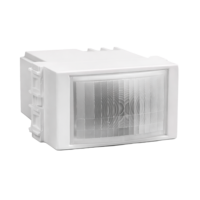 1/3 Module Wall Mount Presence Sensor Bivolt 120° Smart X-Control
-
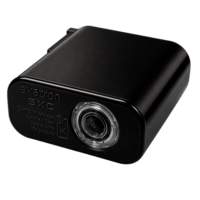 Smart X-Control 2.0 Compact Relay
-
 Remote Management Relay
-
 Remote Management Relay with GPS
-
 Remote Management Relay with GPS NB-IoT
-
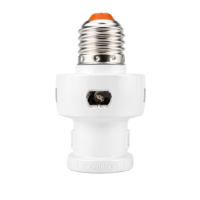 Photosocket Relay E27 Smart X-Control 2.0
-
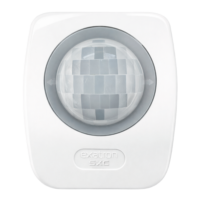 Sensor de Presença Articulável 360° Smart X-Control 2.0
-
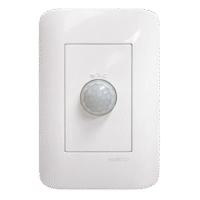 4x2 Smart X-Control wall-mounted presence sensor
-
- Night LED
-
Electrical wiring for switches and sockets.
-
Sets
Products See all →
-
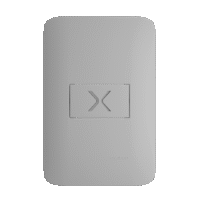 Set of 4 in 2: 01 Doorbell Buzzer, Bivolt
-
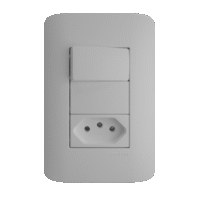 4x2 set: 1 10A parallel bipolar switch + 1 10A/250V 2P+T socket
-
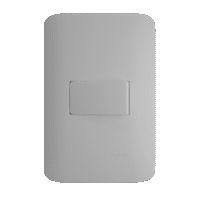 4x2 Set 01 Parallel Bipolar Switch 10A/250V
-
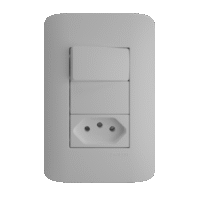 4x2 Set: 1 Single Bipolar Switch + 1 2P+T Socket 10A/250V
-
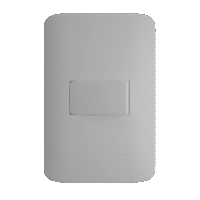 Set of 4x2 01 Single Bipolar Switch 10A/250V
-
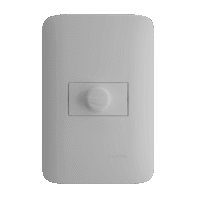
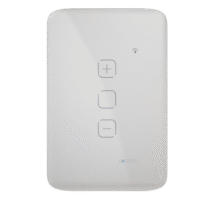
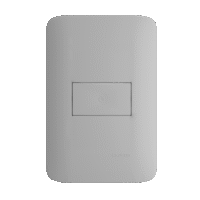 4x2 Set 01 Touch Dimmer Switch
-
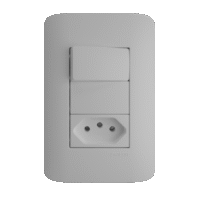 4x2 Set: 1 Intermediate Switch (four-way) 10A + 1 2P+T Socket 10A/250V
-
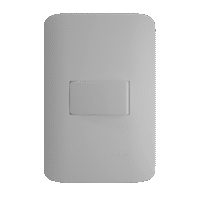 Set of 4x2 01 Intermediate Switch 10A/250V (four-way)
-
- Glass
-
Color Line
Products See all →
-
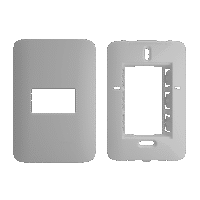 Conjunto Placa 4x2 para 01 Módulo 1/3 + Suporte
-
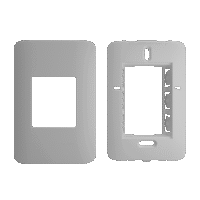 Conjunto Placa 4x2 para 02 Módulos 2/3 + Suporte
-
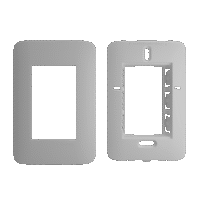 Conjunto Placa 4x2 para 03 Módulos 3/3 + Suporte
-
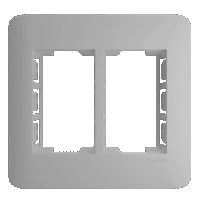 Conjunto Placa 4x4 para 3/3 Módulos + Suporte
-
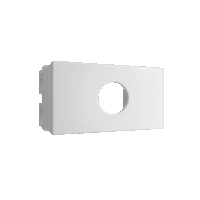 1/3 Module with 11mm Hole
-
 Module 1/3 Parallel Bipolar Switch 10A/250V
-
 Module 1/3 Single bipolar switch 10A/250V
-
 Module 1/3 Intermediate Switch 10A/250V (four-way)
-
-
Furniture line
Products See all →
-
Modules
Products See all →
-
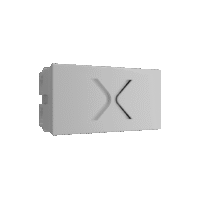 Module 1/3 Buzzer Doorbell Bivolt
-
1/3 Module with 11mm Hole
-
Module 1/3 Parallel Bipolar Switch 10A/250V
-
Module 1/3 Single bipolar switch 10A/250V
-
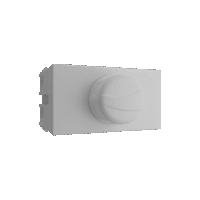
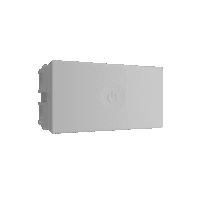 Module 1/3 Touch Dimmer Switch
-
Module 1/3 Intermediate Switch 10A/250V (four-way)
-
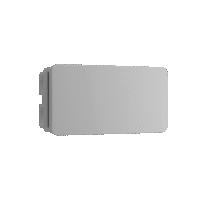 Module 1/3 Parallel Switch 10A/250V
-
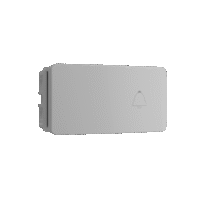 Module 1/3 Pushbutton Switch for Doorbell
-
-
Placas e Suporte
Products See all →
-
Conjunto Placa 4x2 para 01 Módulo 1/3 + Suporte
-
Conjunto Placa 4x2 para 02 Módulos 2/3 + Suporte
-
Conjunto Placa 4x2 para 03 Módulos 3/3 + Suporte
-
Conjunto Placa 4x4 para 3/3 Módulos + Suporte
-
 1/3 Plate + Furniture Support
-
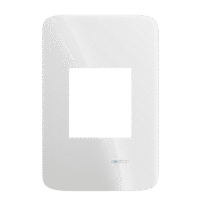
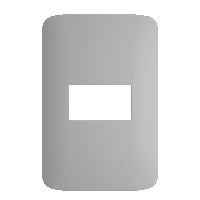 Placa 4x2 Branca – para 1 módulo
-
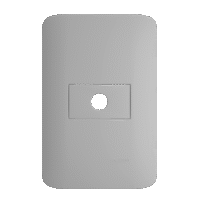 Placa 4x2 Branca – para 1 módulo com furo de 11mm
-
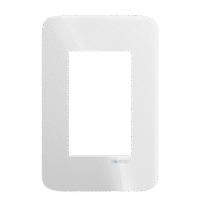
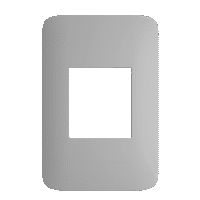 Placa 4x2 Branca – para 2 módulos
-
- Plafon
- Plugs and Adapters
-
Sets
- LED Emergency Lighting
-
LED lights
-
myhouse X - Home Automation
-
Smart Video Camera
Products See all →
- Smart Controller
- Smart Remote Control
- Smart LED Strip
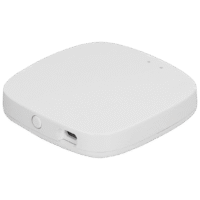
- Gateway Smart
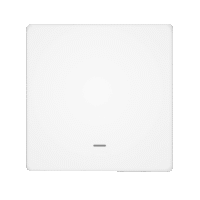
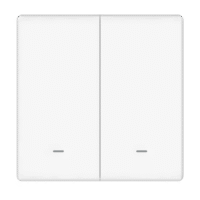
- Smart Switch
-
Smart Sender Switch
Products See all →
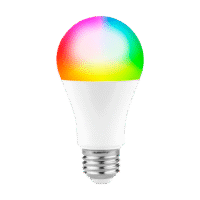
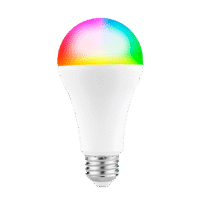
- Smart Bulb
-
Smart Curtain Control Relay
Products See all →
-
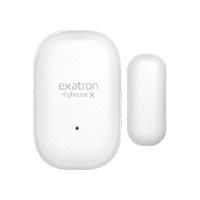
Opening Sensor
Products See all →
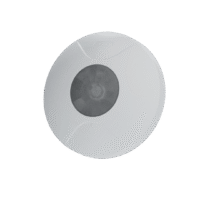
- Smart Presence Sensor
-
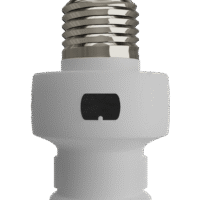
E27 Smart Socket
Products See all →
-
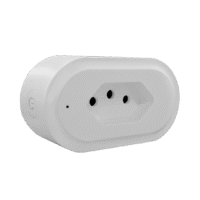
Smart Plug
Products See all →
-
Smart Video Camera
- Line Protectors
-
Lighting Relays
-
Electronic
Products See all →
-
 Photocontroller Relay Day On – FD (Fault Off)
-
 Night Switch Photocontrol Relay – FD (Failure Off) - IP67 - PP
-
Photocontrol Relay Night Switch-On – FD (Fault Off) PP
-
Photocontrol Relay - Night Switch-On - IP67 Protection
-
Photocontrol Relay Night Switch-On – FD (Failure: Off)
-
Photocontrol Relay Night Switch-On – FD (Failure: Off)
-
Photocontrol Relay Night Switch-On – FD (Failure: Off)
-
Photocontrol Relay Night Switch-On – FD (Failure: Off)
-
- Photosocket
-
Instant
Products See all →
-
Instantaneous Photocontrol Relay – FD (Failure Off)
-
Instantaneous Photocontrol Relay – FD (Failure Off)
-
Instantaneous Photocontrol Relay – FD (Failure Off)
-
Instantaneous Photocontrol Relay – FD (Failure Off)
-
Instantaneous Photocontrol Relay – FD (Failure Off)
-
Instantaneous Photocontrol Relay – FD (Failure Off)
-
Instantaneous Photocontrol Relay – FD (Failure Off)
-
Instantaneous Photocontroller Relay – FL (Fail-On)
-
-
Shorting Gap
Products See all →
- Smart X-Control
- Remote management
- Thermal
-
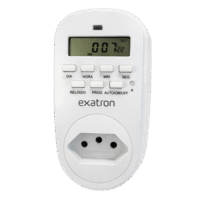
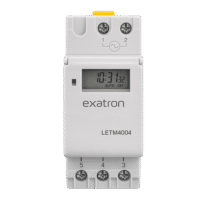
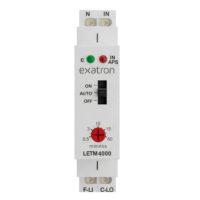
Timer
Products See all →
-
Electronic
-
Presence Sensors for Lighting
-
4x2
Products See all →
-
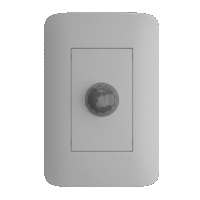 4x2 Smart X-Control Presence Sensor
-
4x2 Smart X-Control wall-mounted presence sensor
-
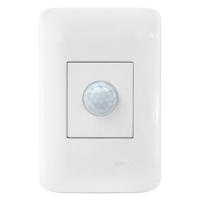 4x2 Wall Mount Presence Sensor with Trimpot
-
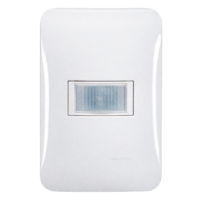 Smart X-Control Wall Mount Presence Sensor (4x2 1/3 Plate Assembly + Bracket)
-
Smart X-Control 2.0 Wall Mount Presence Sensor (4x2 1/3 Plate Assembly + Bracket)
-
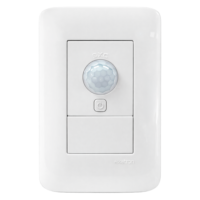 4x2 Modular Touch Presence Sensor with Auto/On/Off Control and Smart X-Control
-
- E27
- External
-
Front
Products See all →
-
Smart X-Control
Products See all →
-
1/3 Module Wall Mount Presence Sensor Bivolt 120° Smart X-Control
-
Smart X-Control Wall Mount Presence Sensor Module 1/3
-
4x2 Smart X-Control Presence Sensor
-
Sensor de Presença Articulável 360° Smart X-Control 2.0
-
4x2 Smart X-Control wall-mounted presence sensor
-
Smart X-Control Wall Mount Presence Sensor (4x2 1/3 Plate Assembly + Bracket)
-
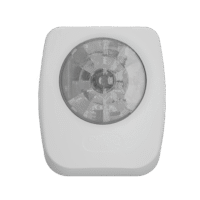 Smart X-Control Articulated Ceiling Mount Presence Sensor
-
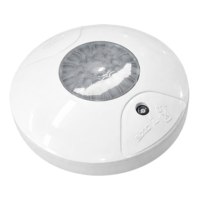 Smart X-Control Ceiling Mount Presence Sensor with Beacon
-
-
Roof
Products See all →
-
Sensor de Presença Articulável 360° Smart X-Control 2.0
-
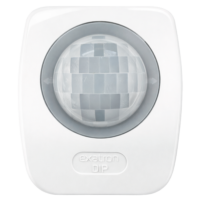 360° Ceiling Mount Presence Sensor with DIP Switch
-
Smart X-Control Articulated Ceiling Mount Presence Sensor
-
Smart X-Control Ceiling Mount Presence Sensor with Beacon
-
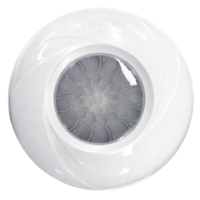 Smart X-Control Ceiling Mount Presence Sensor with Auxiliary Call
-
 DIP Ceiling Mount Presence Sensor
-
 Smart X-Control Ceiling Mount Presence Sensor
-
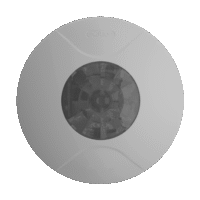 Smart X-Control Ceiling Mount Presence Sensor
-
-
4x2
- Timer (Timers)
-
Relay Sockets
- "L" Metal
- "L" Plastic
-
Built-in
Products See all →
-
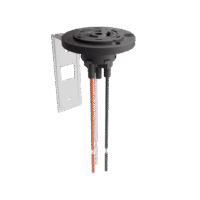
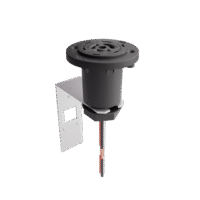
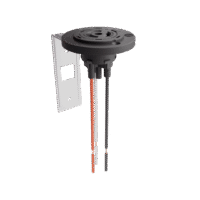
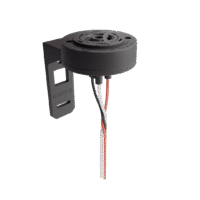
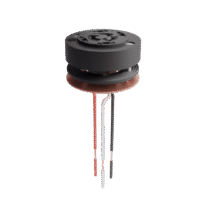 Flush-mount base socket with 3 wires and metal ring for photoelectric relay.
-
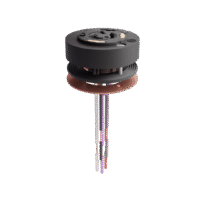 Flush-mount base socket with 5 wires and metal ring for photoelectric relay.
-
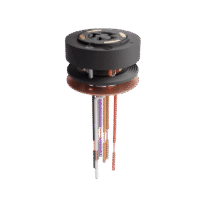 7-wire Flush Mount Base Socket with Metal Ring for Photoelectric Relay
-
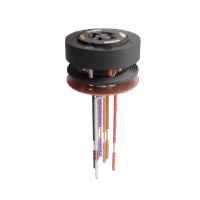 7-wire Flush Mount Base Socket with Metal Ring for IP67 Photoelectric Relay
-
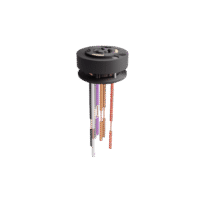 7-wire flush-mount socket without metal ring, IP67
-
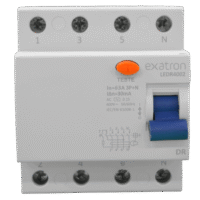





















Products
Categories
- Adapters
-
Electronic Musical Doorbells
-
Group Command Key
Products See all →
-
Group Control Switch - 1 x 30 with Circuit Breaker
-
Group Control Switch - 1 x 30 without Circuit Breaker
-
Group Control Switch - 1 x 30 without Circuit Breaker
-
Group Control Switch - 1 x 50 with Circuit Breaker
-
Group Control Switch - 1 x 50 without Circuit Breaker
-
Group Control Switch - 1 x 60 with Circuit Breaker
-
Group Control Switch - 1 x 60 without Circuit Breaker
-
Group Control Switch - 2 x 30 with Circuit Breaker
-
-
Modular Contactor
Products See all →
-
Contactor Auxiliary Control Circuits 1NO + 1NC
-
Contactor Auxiliary Control Circuits 2NO
-
Modular Control Circuit Contactor, 2 Poles, 2NO, 25A, 127V
-
Modular Control Circuit Contactor, 2 Poles, 2NO, 25A, 220V
-
Modular Control Circuit Contactor, 2 Poles, 2NO, 40A, 127V
-
Modular Control Circuit Contactor, 2 Poles, 2NO, 40A, 220V
-
Contactor for Modular Control Circuits, 2 Poles, 2 NC, 25A, 220V
-
Contactor for Modular Control Circuits, 3 Poles, 3NO, 40A, 220V
-
- DDR
- Dimmer
- DPS
-
IDR
Products See all →
-
New releases
Products See all →
-
1/3 Module Wall Mount Presence Sensor Bivolt 120° Smart X-Control
-
Smart X-Control 2.0 Compact Relay
-
Remote Management Relay
-
Remote Management Relay with GPS
-
Remote Management Relay with GPS NB-IoT
-
Photosocket Relay E27 Smart X-Control 2.0
-
Sensor de Presença Articulável 360° Smart X-Control 2.0
-
4x2 Smart X-Control wall-mounted presence sensor
-
- Night LED
-
Electrical wiring for switches and sockets.
-
Sets
Products See all →
-
Set of 4 in 2: 01 Doorbell Buzzer, Bivolt
-
4x2 set: 1 10A parallel bipolar switch + 1 10A/250V 2P+T socket
-
4x2 Set 01 Parallel Bipolar Switch 10A/250V
-
4x2 Set: 1 Single Bipolar Switch + 1 2P+T Socket 10A/250V
-
Set of 4x2 01 Single Bipolar Switch 10A/250V
-
4x2 Set 01 Touch Dimmer Switch
-
4x2 Set: 1 Intermediate Switch (four-way) 10A + 1 2P+T Socket 10A/250V
-
Set of 4x2 01 Intermediate Switch 10A/250V (four-way)
-
- Glass
-
Color Line
Products See all →
-
Conjunto Placa 4x2 para 01 Módulo 1/3 + Suporte
-
Conjunto Placa 4x2 para 02 Módulos 2/3 + Suporte
-
Conjunto Placa 4x2 para 03 Módulos 3/3 + Suporte
-
Conjunto Placa 4x4 para 3/3 Módulos + Suporte
-
1/3 Module with 11mm Hole
-
Module 1/3 Parallel Bipolar Switch 10A/250V
-
Module 1/3 Single bipolar switch 10A/250V
-
Module 1/3 Intermediate Switch 10A/250V (four-way)
-
-
Furniture line
Products See all →
-
Modules
Products See all →
-
Module 1/3 Buzzer Doorbell Bivolt
-
1/3 Module with 11mm Hole
-
Module 1/3 Parallel Bipolar Switch 10A/250V
-
Module 1/3 Single bipolar switch 10A/250V
-
Module 1/3 Touch Dimmer Switch
-
Module 1/3 Intermediate Switch 10A/250V (four-way)
-
Module 1/3 Parallel Switch 10A/250V
-
Module 1/3 Pushbutton Switch for Doorbell
-
-
Placas e Suporte
Products See all →
-
Conjunto Placa 4x2 para 01 Módulo 1/3 + Suporte
-
Conjunto Placa 4x2 para 02 Módulos 2/3 + Suporte
-
Conjunto Placa 4x2 para 03 Módulos 3/3 + Suporte
-
Conjunto Placa 4x4 para 3/3 Módulos + Suporte
-
1/3 Plate + Furniture Support
-
Placa 4x2 Branca – para 1 módulo
-
Placa 4x2 Branca – para 1 módulo com furo de 11mm
-
Placa 4x2 Branca – para 2 módulos
-
- Plafon
- Plugs and Adapters
-
Sets
- LED Emergency Lighting
-
LED lights
-
myhouse X - Home Automation
-
Smart Video Camera
Products See all →
- Smart Controller
- Smart Remote Control
- Smart LED Strip
- Gateway Smart
- Smart Switch
-
Smart Sender Switch
Products See all →
- Smart Bulb
-
Smart Curtain Control Relay
Products See all →
-
Opening Sensor
Products See all →
- Smart Presence Sensor
-
E27 Smart Socket
Products See all →
-
Smart Plug
Products See all →
-
Smart Video Camera
- Line Protectors
-
Lighting Relays
-
Electronic
Products See all →
-
Photocontroller Relay Day On – FD (Fault Off)
-
Night Switch Photocontrol Relay – FD (Failure Off) - IP67 - PP
-
Photocontrol Relay Night Switch-On – FD (Fault Off) PP
-
Photocontrol Relay - Night Switch-On - IP67 Protection
-
Photocontrol Relay Night Switch-On – FD (Failure: Off)
-
Photocontrol Relay Night Switch-On – FD (Failure: Off)
-
Photocontrol Relay Night Switch-On – FD (Failure: Off)
-
Photocontrol Relay Night Switch-On – FD (Failure: Off)
-
- Photosocket
-
Instant
Products See all →
-
Instantaneous Photocontrol Relay – FD (Failure Off)
-
Instantaneous Photocontrol Relay – FD (Failure Off)
-
Instantaneous Photocontrol Relay – FD (Failure Off)
-
Instantaneous Photocontrol Relay – FD (Failure Off)
-
Instantaneous Photocontrol Relay – FD (Failure Off)
-
Instantaneous Photocontrol Relay – FD (Failure Off)
-
Instantaneous Photocontrol Relay – FD (Failure Off)
-
Instantaneous Photocontroller Relay – FL (Fail-On)
-
-
Shorting Gap
Products See all →
- Smart X-Control
- Remote management
- Thermal
-
Timer
Products See all →
-
Electronic
-
Presence Sensors for Lighting
-
4x2
Products See all →
-
4x2 Smart X-Control Presence Sensor
-
4x2 Smart X-Control wall-mounted presence sensor
-
4x2 Wall Mount Presence Sensor with Trimpot
-
Smart X-Control Wall Mount Presence Sensor (4x2 1/3 Plate Assembly + Bracket)
-
Smart X-Control 2.0 Wall Mount Presence Sensor (4x2 1/3 Plate Assembly + Bracket)
-
4x2 Modular Touch Presence Sensor with Auto/On/Off Control and Smart X-Control
-
- E27
- External
-
Front
Products See all →
-
Smart X-Control
Products See all →
-
1/3 Module Wall Mount Presence Sensor Bivolt 120° Smart X-Control
-
Smart X-Control Wall Mount Presence Sensor Module 1/3
-
4x2 Smart X-Control Presence Sensor
-
Sensor de Presença Articulável 360° Smart X-Control 2.0
-
4x2 Smart X-Control wall-mounted presence sensor
-
Smart X-Control Wall Mount Presence Sensor (4x2 1/3 Plate Assembly + Bracket)
-
Smart X-Control Articulated Ceiling Mount Presence Sensor
-
Smart X-Control Ceiling Mount Presence Sensor with Beacon
-
-
Roof
Products See all →
-
Sensor de Presença Articulável 360° Smart X-Control 2.0
-
360° Ceiling Mount Presence Sensor with DIP Switch
-
Smart X-Control Articulated Ceiling Mount Presence Sensor
-
Smart X-Control Ceiling Mount Presence Sensor with Beacon
-
Smart X-Control Ceiling Mount Presence Sensor with Auxiliary Call
-
DIP Ceiling Mount Presence Sensor
-
Smart X-Control Ceiling Mount Presence Sensor
-
Smart X-Control Ceiling Mount Presence Sensor
-
-
4x2
- Timer (Timers)
-
Relay Sockets
- "L" Metal
- "L" Plastic
-
Built-in
Products See all →
-
Flush-mount base socket with 3 wires and metal ring for photoelectric relay.
-
Flush-mount base socket with 5 wires and metal ring for photoelectric relay.
-
7-wire Flush Mount Base Socket with Metal Ring for Photoelectric Relay
-
7-wire Flush Mount Base Socket with Metal Ring for IP67 Photoelectric Relay
-
7-wire flush-mount socket without metal ring, IP67
-
