CARRINHO (0 ITENS)

Seu carrinho está vazio.

Ir para a loja

Information

Technical Specifications

  • Voltage: Operating: 90-305V~ and Nominal: 120V-240V~ (from -20% to +15% Vn);
  • Self-consumption: <2W;
  • Current range: 2A nominal and 10A maximum, direct model 2(10)A;
  • Surge protection: up to 10kV (1.2×50µs);
  • Operating temperature: -10° to +80°C;
  • Connections: 7-pin plug standard NBR 5123 and ANSI C136.41-2013, with: 3 pins (phase, neutral and load) in tinned brass and 4 pins (dimming and auxiliary) in tinned brass and gold plated;
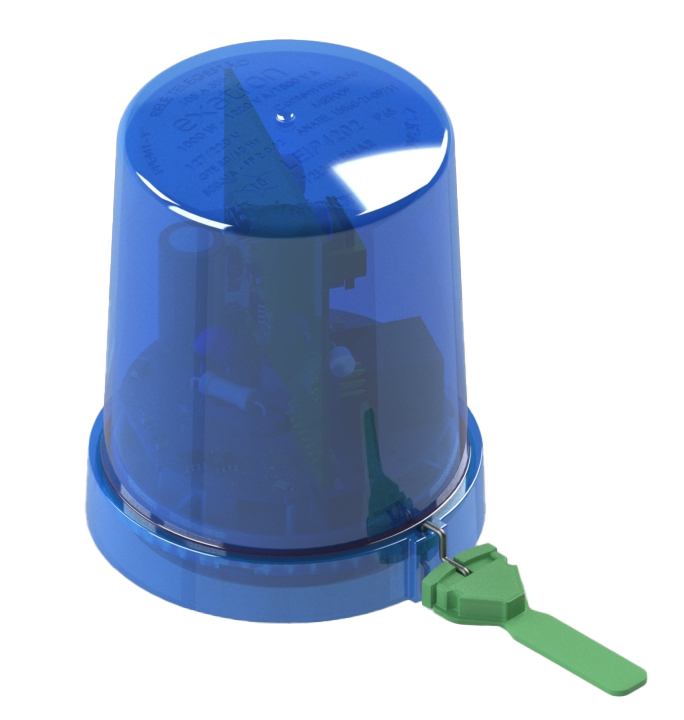
  • Dimensions: Ø81.2x106mm;
  • Materials: Glass: Polycarbonate with UV protection. Base: polyamide. Gasket: elastomer rubber. Central terminals: Tin-plated brass. Auxiliary terminals: Gold-plated brass contacts;
  • Load capacity: up to 1000W resistive (PF=1), 1800VA/220Vac inductive with uncorrected power factor (PF>0.5), 500VA corrected by capacitor (PF>0.92) and 300W/220Vac LED driver;
  • Time filter: double delay that prevents unintended activations due to sudden changes in brightness such as lightning, lasers, clouds, etc. Between 4 and 5 seconds to turn on or off (instant type);
  • Lux to turn on: less than 10 Lux (factory default, can be configured remotely);
  • Lux to turn off: greater than 30 Lux (factory default, remotely configurable) respecting the hysteresis ratio between on and off (hysteresis): 1.5 to 2.8 times;
  • Contact activation near zero voltage of the electrical network (zero-crossing) less than 1ms;
  • Modern design with unique screwless closure;
  • Action sensor: phototransistor in the azimuthal position;
  • Internal dielectric strength: ≥ 2500V @ 1 minute;
  • Markings: indelible on the product body (record of placement and removal in the field);
  • Dimming output: 0-10V;
  • It works in conjunction with the LIME management software.
  • Contact type: NO (no power). Output is on overnight with fail-off system (fault shut down);
  • Operation code: T2LNFDRNAR;
  • Degree of protection: IP65 (optional IP67);
  • Complies with Inmetro Ordinance No. 221/2022;
  • Approved by Inmetro Ordinance No. 140/2025;
  • Warranty: 5 years;
  • Notes:
  1. Communication: LoRaWAN network with support for Class C devices;
  2. Antenna: internal, high-gain, and high-performance;
  3. Active energy measurement (kWh), accuracy class 1 % – Class B index;
  4. Constant (Kh oh Kd): Wh/pulse 0.1 Wh;
  5. Single-phase 2-wire;
  6. Voltage sensor element technology: IC with voltage divider;
  7. Current sensing element technology: Shunt;
  8. Measurement principle: direct;
  9. Measurement and recording: unidirectional;
  10. It has a "Last Gasp" function that sends notifications to the cloud reporting problems in the electrical network and protecting the light fixture by automatically switching it off;
  11. It has a "Dashboard" system that presents information visually, such as graphs, tables and maps, and also allows you to set the relays remotely.
Load capacity (lamps)VoltageResistive (FP=1)Inductive (PF>0.5)LED Driver
127V1000W1200VA300W
220V1000W1800VA300W

Installation

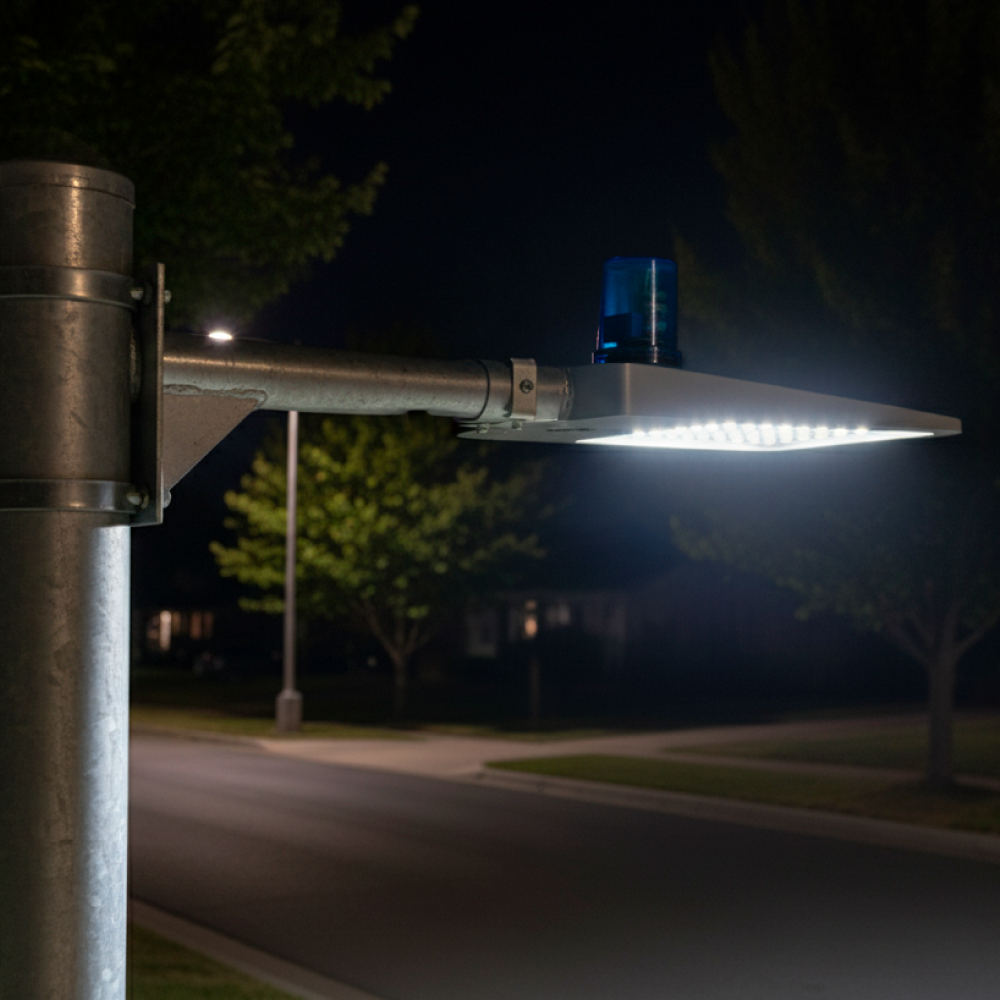
High-performance photoelectric relay for public lighting management. It is ideal for energy management and can be used to monitor and control luminaires, allowing for efficient load management, identification of network faults, and reduction of energy losses.

The electrical connection for the Exatron LEIP4200 Remote Management Relay must be made using a 7-wire socket (not included with the product) that meets NBR 5123 and ANSI C136.41 standards.

The relay must be manually inserted into the socket after the electrical connection to the light fixture. No special tools are required for installing and/or removing the LEIP4200 photoelectric relay from the socket; it must be done manually.

Remote Management Relay

upon request

Code: LEIP4200

Description

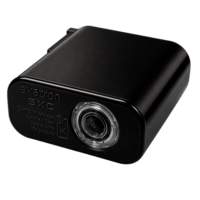
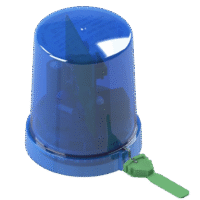
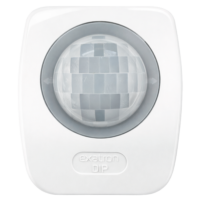
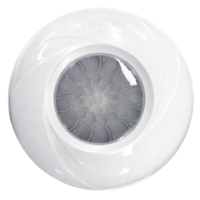
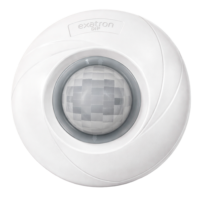
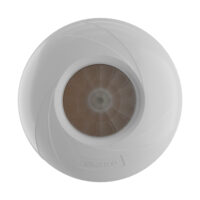
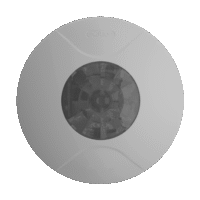
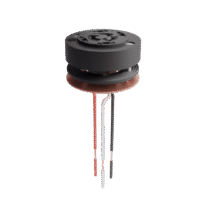
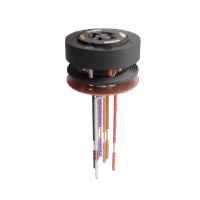
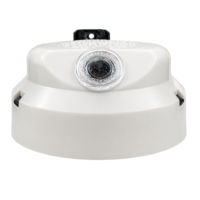
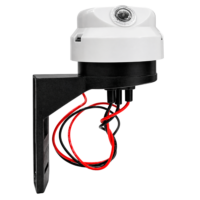
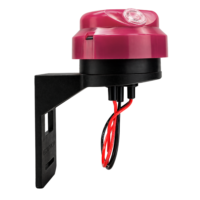
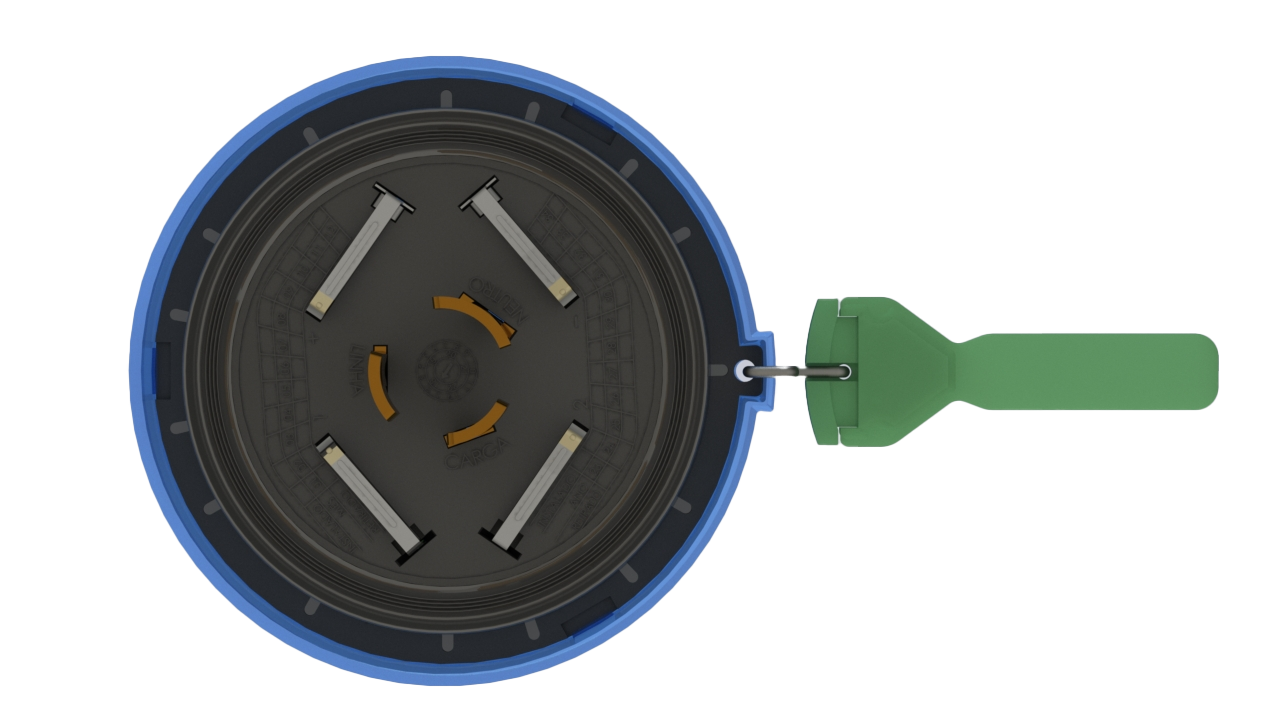
The Exatron LEIP4200 Remote Management Relay is the ideal solution for public lighting management. In addition to functioning as a photoelectric relay, the Remote Management Relay measures various parameters (voltage, current, power, consumption, power factor, THD, and luminosity), reports fault cases, accepts scheduled activations, and allows remote control of the luminaire. Communication with the LEIP4200 photoelectric relay uses a LoRaWAN network supporting Class C devices. Luminaire activation occurs in the absence of natural light (it has a system insensitive to sudden changes in luminosity, lightning, and headlights), regardless of whether it is online or offline on the network. The photoelectric relay can also be activated via remote control or pre-configured scheduling through the management software. The product has a normally open (NO) contact, keeping the luminaires off during the day.

Download

Information

Technical Specifications

  • Voltage: Operating: 90-305V~ and Nominal: 120V-240V~ (from -20% to +15% Vn);
  • Self-consumption: <2W;
  • Current range: 2A nominal and 10A maximum, direct model 2(10)A;
  • Surge protection: up to 10kV (1.2×50µs);
  • Operating temperature: -10° to +80°C;
  • Connections: 7-pin plug standard NBR 5123 and ANSI C136.41-2013, with: 3 pins (phase, neutral and load) in tinned brass and 4 pins (dimming and auxiliary) in tinned brass and gold plated;
  • Dimensions: Ø81.2x106mm;
  • Materials: Glass: Polycarbonate with UV protection. Base: polyamide. Gasket: elastomer rubber. Central terminals: Tin-plated brass. Auxiliary terminals: Gold-plated brass contacts;
  • Load capacity: up to 1000W resistive (PF=1), 1800VA/220Vac inductive with uncorrected power factor (PF>0.5), 500VA corrected by capacitor (PF>0.92) and 300W/220Vac LED driver;
  • Time filter: double delay that prevents unintended activations due to sudden changes in brightness such as lightning, lasers, clouds, etc. Between 4 and 5 seconds to turn on or off (instant type);
  • Lux to turn on: less than 10 Lux (factory default, can be configured remotely);
  • Lux to turn off: greater than 30 Lux (factory default, remotely configurable) respecting the hysteresis ratio between on and off (hysteresis): 1.5 to 2.8 times;
  • Contact activation near zero voltage of the electrical network (zero-crossing) less than 1ms;
  • Modern design with unique screwless closure;
  • Action sensor: phototransistor in the azimuthal position;
  • Internal dielectric strength: ≥ 2500V @ 1 minute;
  • Markings: indelible on the product body (record of placement and removal in the field);
  • Dimming output: 0-10V;
  • It works in conjunction with the LIME management software.
  • Contact type: NO (no power). Output is on overnight with fail-off system (fault shut down);
  • Operation code: T2LNFDRNAR;
  • Degree of protection: IP65 (optional IP67);
  • Complies with Inmetro Ordinance No. 221/2022;
  • Approved by Inmetro Ordinance No. 140/2025;
  • Warranty: 5 years;
  • Notes:
  1. Communication: LoRaWAN network with support for Class C devices;
  2. Antenna: internal, high-gain, and high-performance;
  3. Active energy measurement (kWh), accuracy class 1 % – Class B index;
  4. Constant (Kh oh Kd): Wh/pulse 0.1 Wh;
  5. Single-phase 2-wire;
  6. Voltage sensor element technology: IC with voltage divider;
  7. Current sensing element technology: Shunt;
  8. Measurement principle: direct;
  9. Measurement and recording: unidirectional;
  10. It has a "Last Gasp" function that sends notifications to the cloud reporting problems in the electrical network and protecting the light fixture by automatically switching it off;
  11. It has a "Dashboard" system that presents information visually, such as graphs, tables and maps, and also allows you to set the relays remotely.
Load capacity (lamps)VoltageResistive (FP=1)Inductive (PF>0.5)LED Driver
127V1000W1200VA300W
220V1000W1800VA300W

Installation

High-performance photoelectric relay for public lighting management. It is ideal for energy management and can be used to monitor and control luminaires, allowing for efficient load management, identification of network faults, and reduction of energy losses.

The electrical connection for the Exatron LEIP4200 Remote Management Relay must be made using a 7-wire socket (not included with the product) that meets NBR 5123 and ANSI C136.41 standards.

The relay must be manually inserted into the socket after the electrical connection to the light fixture. No special tools are required for installing and/or removing the LEIP4200 photoelectric relay from the socket; it must be done manually.